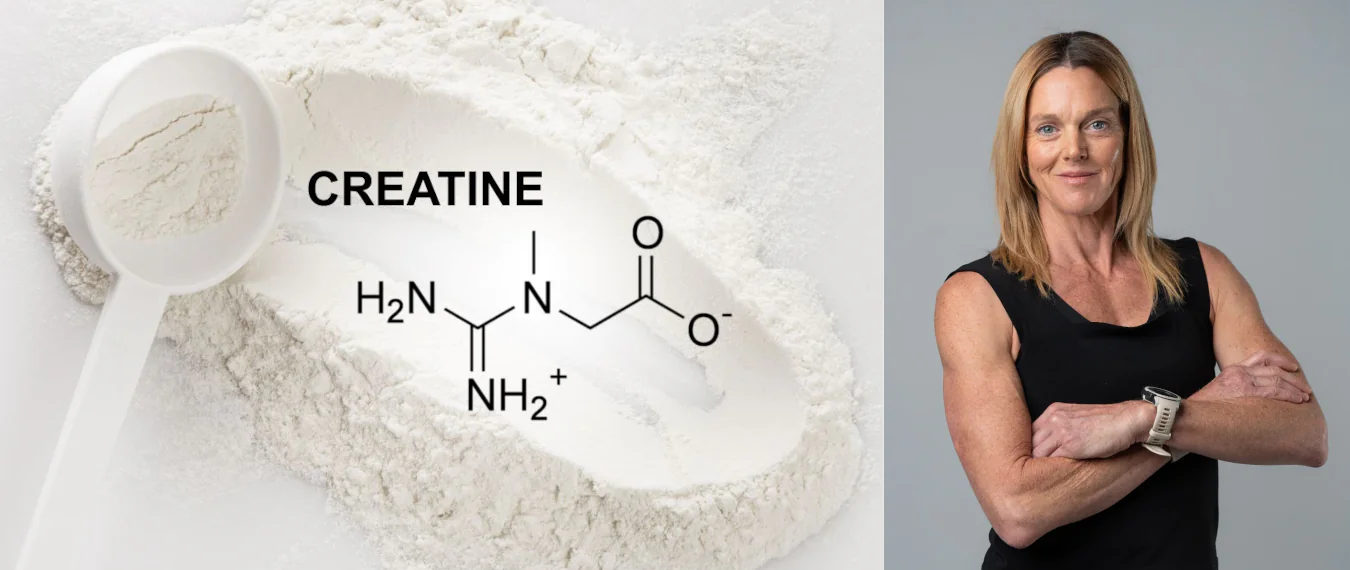
Dr. Stacy Sims is known for her work in sports science and women’s health, and many people are curious about the supplements she recommends.
Her supplement list focuses on supporting performance, recovery, and overall wellness. Instead of chasing trends, the goal is to use products that match real training and health needs.
This article gives a clear look at Dr. Stacy Sims’ supplement list and explains why each item is included.

TLDR: Dr Stacy Sims’ Supplement List
- Creatine: Dr. Sims recommends creatine for women to enhance strength, power, and cognitive function. With a daily dose of 3-5 grams of creatine monohydrate, it helps improve high-intensity performance and support lean mass, all while promoting long-term consistency for optimal results.
- Vitamin D: Used to support bone health, mood, and immune function, particularly during low sunlight months, with dosing adjusted based on individual needs and testing.
- Protein Powders: A practical tool Dr. Sims uses to help hit higher protein targets, especially post workout or on busy days, while still emphasizing whole food nutrition.
- Iron: Dr. Sims times iron intake carefully, prioritizing morning dosing with vitamin C to maximize absorption and support energy, oxygen delivery, and training performance, especially important for active women.
- Collagen: Taken strategically before joint loading workouts to support tendons, ligaments, and connective tissue health, typically paired with vitamin C for better tissue repair.
- Omega 3 Fatty Acids: A daily staple for inflammation control, heart and brain health, and long-term recovery, with a focus on high quality EPA and DHA sources.
- Beta Alanine: Used selectively during high intensity training blocks to help buffer muscle acidity and delay fatigue in sprint or anaerobic sessions.
- Rhodiola Rosea: A powerful adaptogen that helps the body cope with stress while enhancing energy and mental clarity. Dr. Sims recommends it for women who need to combat fatigue and maintain focus throughout the day, without relying on stimulants or experiencing energy crashes.
- Sleep Supplements: Dr. Sims suggests a combination of Tart Cherry Juice, L-Theanine, and Magnesium to improve sleep quality. These supplements help promote relaxation, regulate sleep cycles, and support muscle relaxation, ensuring a more restful night’s sleep.
Creatine
Creatine is one of Dr. Stacy Sims’ most recommended supplements for women. It is often treated like a “gym-only” product, but the biology is much broader than that. Creatine helps recycle ATP, which is the fast energy currency your cells use when demand spikes. That matters most in tissues that burn through energy quickly: muscle, brain, and the heart.
Women tend to start with lower creatine stores than men, so adding a small daily dose can make a noticeable difference over time, especially if dietary creatine intake is low.

What it does in the body
Creatine works as part of the phosphocreatine system. In simple terms, it helps your cells restore ATP faster during short, intense bouts of effort and during high-turnover cellular work. That is why creatine is linked to better repeat sprint output, heavier lifts, and improved training quality.1Creatine for Exercise and Sports Performance, with Recovery Considerations for Healthy Populations | Wax et al. | 2021 | Nutrients
The same “fast energy support” concept applies outside the gym too. Creatine is used in the brain and nervous system, which is why many people report better mental sharpness and steadier mood when they take it consistently2Creatine Activity as a Neuromodulator in the Central Nervous System | Meftahi et al. | 2023 | Archives of Razi Institute.
Practical benefits
For women, creatine is often used to support:
- Strength and power output
- High-intensity performance and repeated efforts
- Lean mass support during heavy training blocks
- Cognitive performance and mental clarity
- Mood stability, especially during high-stress or low-sleep phases
Dose and how to take it
Sims keeps dosing simple and consistent:
- 3 to 5 grams of creatine monohydrate per day
- No loading phase needed
- Mix it in water, coffee, or a smoothie
- Timing is flexible; taking it with a meal can be easier on the stomach
The key variable is consistency. Creatine works by gradually saturating tissue stores, so it tends to feel more noticeable after a few weeks of daily use.

Form and quality
Creatine monohydrate is the default choice in the Stacy Sims supplement routine because it is well-tolerated and consistently effective. Sims prefers high-purity options to reduce the chance of GI upset that can happen with lower-grade products.
If someone gets stomach discomfort, the usual fixes are practical:
- Split the dose (for example, 2 grams + 2 grams)
- Take it with food
- Check the product quality and avoid blends with unnecessary add-ons
Weight gain confusion
Creatine does not cause fat gain. Any early scale increase is usually water moving into muscle cells, which is part of how creatine supports performance and recovery. For many women, this change is small, and it often stabilizes once daily intake is consistent.3Creatine monohydrate supplementation on body weight and percent body fat | Kutz et al. | 2003 | Journal of Strength and Conditioning Research
One of the reasons that Sims doesn’t advocate for a “loading phase” with creatine, is the higher dose can potentially increase early water gain, whereas the affect is less emphasized starting with lower doses.
Where it fits long-term
Sims often frames creatine as a “baseline” supplement across the lifespan because it supports muscle, brain, and overall performance capacity. It can be useful during hard training phases, during times of high mental load, and during life stages where maintaining strength and lean mass becomes harder.

Notable brands for this supplement
| Product | Price per gram | Description |
|---|---|---|
| Momentous Creatine Chews | ~$0.33 | Chewable creatine made with Creapure |
| Nutricost Creatine Monohydrate Powder | ~$0.04 | Micronized powder for long-term daily use. |
| Nutricost Creatine Capsules | ~$0.09 | Capsule creatine for easy, portable dosing. |
Listen to the full podcast here – this section is at ~1hr mark
Vitamin D
Vitamin D plays a central role in bone strength, hormone function, and overall health4Vitamin D and bone health: from physiological function to disease association | Liu et al. | 2025 | Nutrition & Metabolism (London). Dr. Stacy Sims places strong emphasis on monitoring levels regularly, especially for active women and those dealing with hormonal fluctuations across the menstrual cycle and into menopause. Because Vitamin D acts more like a hormone than a typical vitamin, its impact reaches far beyond just bone health.

Why it matters
As part of Dr Stacy Sims’ supplement list, Vitamin D helps regulate calcium absorption, which directly affects bone density and skeletal strength. This is especially relevant for women, whose bone structure is more sensitive to hormonal shifts5Vitamin D and its implications for musculoskeletal health in women: An update | Pérez-López et al. | 2007 | Maturitas. Lower estrogen levels can reduce bone density over time, and low Vitamin D status can compound that risk.
Beyond bone health, Vitamin D influences:
- Muscle function and strength
- Immune system regulation
- Hormone signaling
- Mood and emotional stability
Women with low Vitamin D levels often report more severe PMS symptoms and greater mood swings6Association between Vitamin D Status and Premenstrual Symptoms | Jarosz et al. | 2019 | Journal of the Academy of Nutrition and Dietetics. Maintaining adequate levels can help support steadier mood patterns across the cycle.
Deficiency patterns
Sun exposure is the primary natural source for Vitamin D, but many people spend limited time outdoors or live in regions with low winter sunlight.
Common factors that increase deficiency risk include:
- Living in northern climates
- Winter seasons
- Indoor lifestyles
- Darker skin pigmentation
- Heavy sunscreen use
Because of this, Sims strongly encourages routine blood testing to determine individual needs rather than guessing dosage.
Form and intake
Sims recommends Vitamin D3 as the preferred form. D3 is the bioactive version the body can use more efficiently compared to D2.
General guidance:
- Supplement more consistently during winter months
- Adjust dose based on blood test results
- Take with a meal containing fat to improve absorption
Rather than using a fixed dose year-round, she supports personalized dosing based on current levels.
Nutrient interactions
Vitamin D does not work in isolation. Sims often highlights its relationship with iron status. Low Vitamin D levels can correlate with low iron storage, which may increase fatigue risk.
She also frames Vitamin D as part of a bigger nutritional picture that includes adequate calorie intake and balanced micronutrients. Low energy availability can disrupt reproductive hormones and recovery, which Vitamin D alone cannot correct.

Commonly Used Brands
| Product | Cost per month | Description |
|---|---|---|
| Nutricost Vitamin D3 5,000 IU | ~$1.50 | High-potency daily D3 at low cost. |
| Momentous Vitamin D3 5,000 IU | ~$8.40 | NSF-certified D3 from a premium brand. |
Listen to the full podcast here. Vitamin D is mentioned at the start.
Protein Powders
Dr. Stacy Sims prioritizes whole foods, but she also views protein powder as a practical tool for active women, especially on busy days when hitting protein targets with food alone becomes difficult. Adequate protein intake is a major part of her approach, particularly for women in midlife who are trying to preserve muscle mass and metabolic health.
Protein targets for women
Dr. Stacy Sims recommends higher protein intake for women to support muscle retention, particularly during perimenopause and menopause. Protein powder can help bridge the gap for those struggling to meet their daily protein needs through food alone.
- For women aged 20-35: 1.6-2.2g/kg/day (0.7g-1g/lb/day)
- For perimenopausal and postmenopausal women: 2.0-2.3g/kg/day (1-1.2g/lb/day)
As women age, muscle protein synthesis (the process of building new proteins) can decrease, with some studies suggesting a 39% decrease in older women compared to younger ones7Acute effects of resistance exercise on muscle protein synthesis rate in young and elderly men and women | Yarasheski et al. | 1993 | American Journal of Physiology-Endocrinology and Metabolism. Additionally, metabolic resistance can impair muscle protein synthesis, though it doesn’t necessarily increase with age.
Why protein intake matters
Protein provides the amino acids needed for muscle repair, recovery, and maintenance8Exercise, Amino Acids and Aging in the Control of Human Muscle Protein Synthesis | Walker et al. | 2011 | Medicine & Science in Sports & Exercise. This becomes increasingly important with age, as muscle protein synthesis becomes less responsive to lower protein doses.
The Dr Stacy Sims supplement plan focuses on:
- Preserving lean mass
- Supporting recovery from training
- Maintaining metabolic rate
- Supporting healthy aging
She makes a clear distinction between complete proteins (used for muscle building and recovery) and collagen, which supports connective tissue but does not count toward daily protein needs.

Daily timing strategy
Sims encourages spreading protein intake across the day rather than saving it all for dinner. She often suggests starting the morning with a small dose of protein, even if appetite is low.
A simple approach:
- Around 15 grams of protein early in the day
- Mixed into coffee, almond milk, or a smoothie
- Helps stimulate metabolism and hormonal signaling
Post-workout, she typically aims for:
- 25–30 grams of complete protein
- Often from a whey shake with some carbohydrates
This supports muscle repair and glycogen replenishment.
Protein quality
Protein source matters. Sims looks for powders that are:
- Free from unnecessary fillers and additives
- High in leucine, an amino acid that triggers muscle protein synthesis
Whey protein is often favored because:
- It is rapidly absorbed
- Naturally high in leucine and BCAAs
- Supports post-exercise recovery
For those avoiding dairy, she also recommends plant-based blends (such as pea and rice) that provide a more complete amino acid profile.

Whole foods still come first
Even though protein powder is useful, Sims consistently emphasizes that it should supplement, not replace, whole foods. A diet built around the following can provide nutrients that isolated supplements cannot fully replicate:
- Lean meats or plant proteins
- Fruits and vegetables
- High-quality carbohydrates
- Healthy fats
Personalization matters
Sims often reminds people that nutrition is individual. What works for one person may not work for another. She encourages experimentation to find:
- Preferred protein sources
- Best timing windows
- Digestive tolerance
- Training-specific needs
This becomes especially important for women following vegetarian or vegan diets, where careful planning is needed to meet amino acid requirements.
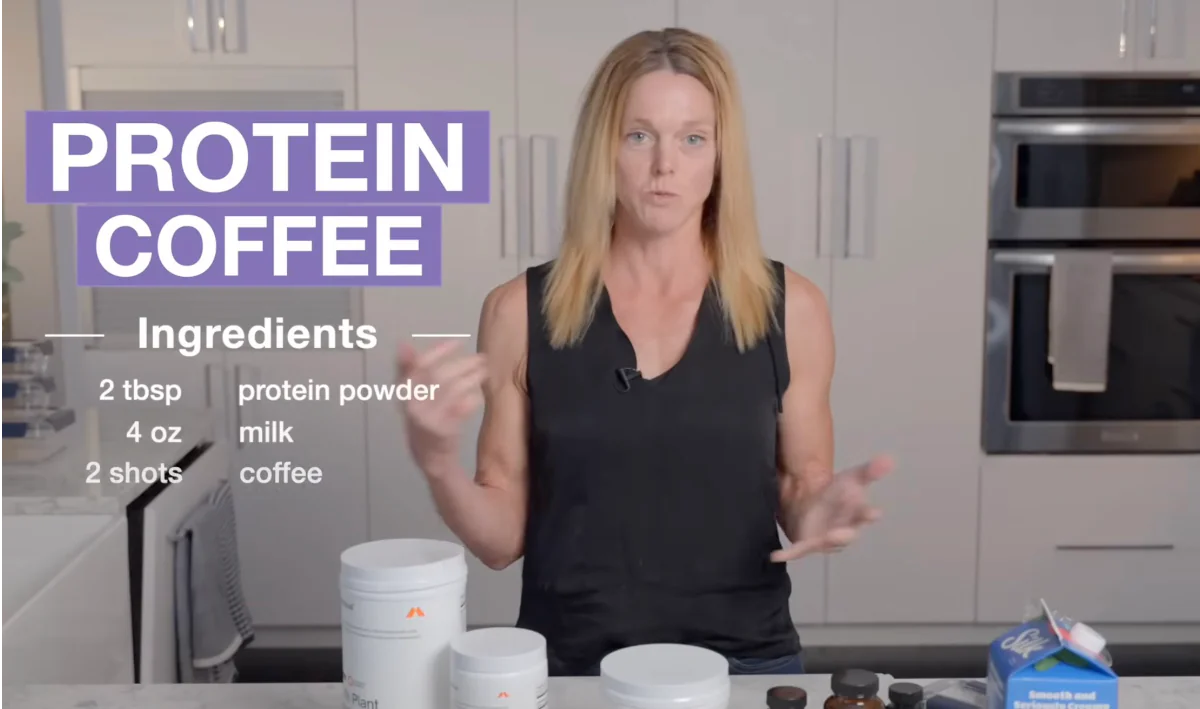
Protein coffee
As part of the overall Stacy Sims supplement approach, she often suggests adding protein powder to coffee as an easy way to increase morning protein intake, especially for those who are not hungry first thing in the day. Mixing a scoop into coffee or a latte allows women to hit an early protein target without feeling overly full. This approach helps kickstart metabolism, support muscle maintenance, and provide steady energy without relying only on caffeine. It is a simple habit that fits easily into existing routines while reinforcing consistent protein intake across the day.
This is the simple method Stacy Sims uses to turn her morning coffee into a protein-rich pre-workout drink.
Ingredients
• Momentous protein powder
• Cold milk or dairy-free alternative of choice
• Brewed coffee, fully cooled
How to prepare
- Add one serving of Momentous protein powder to a glass or shaker.
- Pour in cold milk and whisk or froth until smooth.
- Slowly add a double shot of cooled coffee and stir well.
- Drink immediately or store in the fridge if making it ahead of time.
Optional prep ahead
If mornings are rushed, you can prepare this the night before and keep it refrigerated so it is ready to go before training.
Important tip
Always use cold liquids. Warm coffee or milk can cause the protein to thicken and clump, which affects texture and taste.
Why this works
This drink combines caffeine and protein in one simple step, supporting energy, muscle maintenance, and recovery without relying on coffee alone.
If you want to learn more about this, check out our article on Stacy Sims’ protein coffee.

Common brands people use
| Product | Price per 25g | Description |
|---|---|---|
| Momentous 100% Plant Protein | ~$2.13 | Premium plant protein, NSF certified. |
| Nutricost Whey Protein | ~$1.28 | Budget-friendly whey for daily shakes. |
| Thorne Whey Protein Isolate | ~$2.85 | Premium whey isolate in convenient single-serve packets. |
Listen to the full podcast here. Discussion about protein powder starts from the 1 hour 57 minute mark.
Iron
Iron is essential for the production of red blood cells and the delivery of oxygen throughout the body. For active, pre-menopausal women, iron becomes even more important due to the loss of blood during menstruation, which can deplete their iron levels. Dr. Stacy Sims stresses the importance of using the right form of iron and timing supplementation properly, rather than taking it every day throughout the year.

Benefits
Healthy iron levels support energy, endurance, and training performance9Iron and the endurance athlete | Hinton | 2014 | Applied Physiology, Nutrition, and Metabolism. When iron stores drop too low, it can lead to noticeable symptoms such as fatigue, poor workout output, and a general lack of energy.
Stacy Sims frequently highlights that female athletes, especially those with high training volumes or restricted iron intake, are particularly vulnerable to these issues. Studies indicate that while iron deficiency affects roughly 5 to 11 percent of male athletes, this figure is significantly higher for females, ranging from 15 to 35 percent. This disparity emphasizes the need for women to carefully manage their iron levels to support their training and overall performance10Iron considerations for the athlete: a narrative review | Sim et al. | 2019 | Eur J Appl Physiol.
Common signs of low iron include:
- Persistent fatigue
- Dark circles under the eyes
- Reduced exercise capacity
- General sluggishness
Iron also supports hormone function and recovery, which becomes especially relevant during demanding training periods.
Absorption & Timing
Iron absorption is regulated by hepcidin, a hormone that fluctuates across the menstrual cycle. Hepcidin levels are lower during the follicular phase, allowing the body to absorb iron more efficiently. After ovulation, hepcidin rises, which reduces absorption.
Because of this, Dr. Sims recommends focusing on supplementation early in the cycle instead of taking iron throughout the entire month. A commonly suggested approach includes:
- Starting from day one of the menstrual cycle
- Taking iron every other day
- Continuing for roughly 10 days
This timing aligns with the body’s natural absorption window.
Supplement Form & Dose
Dr. Stacy Sims recommends two types of iron supplementation based on individual needs and tolerance.
- Ferrochel: In practice, Dr. Sims often recommends Ferrochel, a gentler form of iron, typically at a dosage of 25–28 mg, taken in the morning. To enhance absorption, she pairs it with 50 mg of Vitamin C. She advises against continuous long-term use of iron supplements outside of the optimal window to minimize the risk of excess intake.
- Carbonyl Iron: This form of iron is preferred due to its high bioavailability and lower likelihood of causing digestive discomfort compared to standard iron supplements. When supplementation is needed, Dr. Sims suggests a dosage of 40 mg of elemental iron.
Monitoring Levels
Dr. Sims encourages active women to aim for ferritin levels closer to 50 ng/mL or higher, rather than relying on standard lab ranges that may label much lower levels as normal. Periodic blood testing helps guide dosing and supports more informed supplementation decisions.

Popular brands for this supplement
| Product | Price per serving | Description |
|---|---|---|
| Momentous Iron+ | ~$0.33 | Premium iron with absorption support. |
| Nutricost Iron | ~$0.06 | High-dose iron at very low cost. |
| Why Not Natural Liquid Iron | ~$1.44 | Liquid iron for sensitive stomachs. |
Listen to the full podcast here.
Collagen
Dr. Stacy Sims places a strong focus on connective tissue health, especially as women move through their 30s, 40s, and into menopause. As natural collagen production declines with age, tendons, ligaments, joints, and skin become more vulnerable to stiffness and injury. Rather than waiting for problems to show up, she encourages women to think proactively about tissue support.

Collagen Benefits
Collagen supplementation has been shown to offer several benefits, particularly when combined with resistance training. Some potential benefits include:
- Improved tissue recovery after intense physical activity
- Reduced joint pain and stiffness
- Increased strength and body composition
- Enhanced connective tissue health
A 2022 review11Collagen peptide supplementation for pain and function: is it effective? | Kviatkovsky et al. | 2022 | Curr Opin Clin Nutr Metab Care found that collagen peptides, when taken alongside resistance training, may support the recovery of connective tissues, alleviate joint pain, and enhance overall strength and muscle mass. This makes collagen a valuable supplement for athletes and individuals engaging in regular physical exercise.
Aging and connective tissue
Collagen provides structure and strength to tendons, ligaments, cartilage, and skin. As levels drop over time, women may notice:
- Increased joint stiffness
- Slower recovery from workouts
- Higher risk of overuse injuries
- Changes in skin elasticity
This becomes especially relevant for women who lift weights, run, or perform high-impact training. Lower collagen availability can reduce tissue resilience when loads increase.
Targeted pre-training use
Sims uses collagen strategically rather than treating it like a daily protein shake. She recommends timing intake around sessions that place stress on joints and tendons.
Typical approach:
- 5 to 15 grams of collagen
- Taken 30 to 60 minutes before training
- Most useful before heavy lifting, sprinting, or impact-based sessions
The goal is to provide amino acids right as tissue loading occurs, which may support remodeling and repair.
Supporting synthesis with vitamin C
Vitamin C acts as a cofactor in collagen formation. Sims often pairs collagen with a small vitamin C source to support fiber cross-linking.
Easy ways to do this:
- Add fruit juice to a pre-workout drink
- Eat citrus fruit alongside collagen
- Blend into a smoothie
This pairing helps support stronger connective tissue structure.
Using multiple collagen types
Rather than relying on one form, Sims often talks about:
- Hydrolyzed collagen peptides (Type I and III)
- Native (undenatured) Type II collagen
The peptides provide raw material for new collagen, while Type II collagen may support joint cartilage through immune signaling pathways.
How it fits into nutrition
Collagen is not a complete protein and does not contribute to daily protein targets for muscle building. Stacy Sims treats it as a tissue-specific supplement rather than a general nutrition tool.
Many people mix it into coffee or smoothies for convenience, but functionally, it serves a different purpose than whey or plant protein.
Consistency over time
Sims encourages regular use rather than short cycles. Long-term intake may help:
- Support tendon and ligament integrity
- Reduce joint stiffness
- Maintain skin health
- Slow age-related collagen decline
She often frames this as getting ahead of the curve instead of reacting to injuries later.
Strength training still matters
Supplementation alone is not enough. Mechanical loading from resistance training signals the body to maintain and repair connective tissue. Collagen intake works best when paired with consistent strength work12Specific Collagen Peptides in Combination with Resistance Training Improve Body Composition and Regional Muscle Strength in Premenopausal Women: A Randomized Controlled Trial | Jendricke et al. | 2019 | Nutrients.

Popular collagen supplement choices
| Product | Price per serving | Description |
|---|---|---|
| Momentous Collagen Peptides | ~$1.73 | NSF-certified collagen with added vitamin C. |
| Nutricost Collagen Peptides | ~$0.80 | Straightforward grass-fed collagen for daily use. |
| Nurturly Collagen Capsules | ~$0.52 | Capsule collagen for quick, pill-based dosing. |
You can check out the full podcast here.
Omega-3 Fatty Acids
Omega-3s are a core part of Dr. Stacy Sims’ supplement framework, even if they are not always listed formally. She regularly ranks fish oil (EPA and DHA) among her top supplements for women, alongside creatine and vitamin D. From a physiological standpoint, omega-3s influence inflammation, cell membrane function, and hormone signaling, which makes them highly relevant across the female lifespan.
How omega-3s work in the body
EPA and DHA are long-chain fatty acids that integrate into cell membranes and help regulate inflammatory pathways. One of their key actions is moderating cyclooxygenase enzymes, which play a role in inflammatory signaling. This mechanism helps explain why omega-3s are often associated with reduced joint discomfort, better recovery, and improved cardiovascular markers13Long-chain fatty acids and inflammation | Calder | 2012 | Proceedings of the Nutrition Society.
For women, this anti-inflammatory effect can be especially useful during the menstrual cycle, when inflammation contributes to:
- Cramping
- Bloating
- Joint stiffness
- General discomfort
Cognitive and cardiovascular support
Omega-3s are structurally important in brain tissue and the cardiovascular system. Adequate intake supports:
- Memory and cognitive processing
- Blood vessel function
- Heart rhythm stability
- Long-term brain health
Sims often highlights omega-3s for women in midlife, as this is a period when cardiovascular risk and cognitive changes start to increase.

Food sources first
Sims encourages getting omega-3s from whole foods when possible, especially:
- Salmon
- Sardines
- Mackerel
- Anchovies
She often suggests prioritizing these foods during the premenstrual phase, when inflammation tends to be higher. These fish also provide zinc and magnesium, which further support reproductive health.
That said, many people do not eat oily fish consistently, which is where supplementation becomes practical.
Supplement approach
When using fish oil, Sims focuses on correcting imbalanced omega-6 to omega-3 ratios. Many modern diets are heavy in omega-6 fats, which can tilt the body toward a pro-inflammatory state.
Her general approach:
- Use a high-quality omega-3 supplement daily
- Run it consistently for about 120 days
- Retest levels if tracking biomarkers
For her own routine, she uses a concentrated fish oil to ensure sufficient EPA and DHA intake, especially when dietary fish intake is low.
Dose and quality considerations
Typical intake is around:
- 1000 mg combined EPA and DHA per day
- Taken with a meal (often breakfast)
Quality matters. Sims looks for products that are:
- Purified
- Free from heavy metals
- High in EPA and DHA content
- No fishy aftertaste
Lower-quality oils can oxidize, which reduces their effectiveness and tolerability.
Mood and hormone regulation
Omega-3s also play a role in neurotransmitter signaling and cell membrane fluidity, which affects mood regulation. This is one reason they are often used to support:
- Emotional stability
- Stress resilience
- PMS-related mood changes
By reducing background inflammation, omega-3s may also indirectly support hormone balance across the cycle.

Leading options for optimal results
| Product | Price per serving | Description |
|---|---|---|
| Momentous Omega-3 | ~$1.33 | High-potency EPA/DHA with clean sourcing. |
| Dr. Moritz Vegan Omega-3 | ~$0.60 | Algae-based omega-3 for plant diets. |
| Nutricost Omega-3 Fish Oil | ~$0.50 | High EPA/DHA at larger serving size. |
Listen to the entire podcast here.
Beta-Alanine
Beta-alanine is one of the more targeted tools in Dr. Stacy Sims’ supplement playbook. Unlike creatine or vitamin D, this is not something she frames as an everyday staple. Instead, she treats beta-alanine as a performance-specific aid, mainly for athletes training in high-intensity, anaerobic conditions where lactic acid buildup limits output.
What beta-alanine actually does
Beta-alanine increases muscle carnosine levels. Carnosine acts as a buffer inside muscle cells, helping neutralize hydrogen ions that accumulate during intense exercise. This buildup is what causes the burning sensation and performance drop-off during sprints or hard intervals14Effect of beta-alanine supplementation on muscle carnosine concentrations and exercise performance | Sale et al. | 2010 | Amino Acids.
By raising carnosine stores, beta-alanine helps:
- Delay muscular fatigue
- Maintain power output for longer
- Improve repeat sprint performance
- Extend time to exhaustion in high-intensity efforts
This makes it most useful for:
- Sprint training
- Track sessions
- HIIT workouts
- Cycling or rowing sprints
- Short, repeated efforts near max intensity
How Sims uses it
Sims has referenced a performance-focused “track stack” that may include:
- Beta-alanine
- Caffeine
- Occasionally low-dose aspirin (with medical oversight)
This combination is designed to enhance output during demanding sessions. Beta-alanine handles acid buffering, caffeine improves neural drive, and aspirin may influence blood flow. She is clear this approach is for advanced athletes and not casual training days.
Dosing strategy
Typical intake falls around:
- 3 to 5 grams per day
Some people experience a tingling sensation (paresthesia), especially with single large doses. This is harmless but can feel uncomfortable.
Ways to reduce it:
- Split doses throughout the day
- Use sustained-release capsules
- Take with food
Rather than using it year-round, Sims often frames beta-alanine as a loading tool. Athletes may run it for several weeks leading into a competition block to saturate muscle carnosine stores.
Who may benefit most
Beta-alanine can be especially helpful for:
- Women doing anaerobic sports
- Athletes in sprint-heavy disciplines
- Vegetarians, who may have lower baseline carnosine intake
- Those training for power-based events
Sims frequently points out that most supplement research skews male, but women still see performance benefits when training demands justify it.
When it is not needed
If your training is mostly:
- Low-intensity cardio
- Long steady-state endurance
- Strength training with long rest periods
Beta-alanine is unlikely to offer much benefit. It is most effective when workouts generate heavy acid buildup.
This fits Stacy Sims’ broader supplement philosophy: match the supplement to the physiological demand, not the trend.

Best-selling brands in this category
| Product | Price per 3g | Description |
|---|---|---|
| Nutricost Beta-Alanine Powder | ~$0.15 | Simple powder for daily endurance support. |
| Thorne Beta-Alanine | ~$1.22 | Sustained-release tablets to reduce tingles. |
| NOW Foods Beta-Alanine | ~$0.61 | Capsule form for convenient, measured dosing. |
Tune in to the complete podcast here.
Rhodiola Rosea
Rhodiola Rosea is a powerful adaptogen known for its ability to manage stress and support hormonal balance. Dr. Stacy Sims highlights its benefits, especially for women who experience the “tired but wired” feeling.
Rhodiola helps modulate cortisol levels and supports the parasympathetic response, promoting relaxation and recovery15Stress management and the role of Rhodiola rosea: a review | Anghelescu et al. | 2018 | International Journal of Psychiatry in Clinical Practice.

How it works in the body
Rhodiola helps regulate the body’s stress response by reducing cortisol levels. This is key for managing chronic stress.
It also boosts the body’s ability to adapt to stress, reducing fatigue.
In addition, Rhodiola can support mental clarity and cognitive performance by improving stress resilience.
Key benefits for women
For women, Rhodiola is often used to support:
- Stress reduction: Helps with emotional well-being and mental clarity
- Hormonal balance: Useful during stressful phases or hormonal fluctuations.
- Fatigue relief: Especially for those feeling “tired but wired.”
- Cognitive function: Improves mental clarity and focus.
- Mood stability: Enhances emotional well-being during stressful times.
Recommended usage and considerations
Dr. Sims doesn’t provide a specific dosage for Rhodiola Rosea. However, general guidelines suggest a daily dose ranging from 200 to 400 mg.
It’s important to adjust the dose based on individual needs and stress levels.
Dr. Sims suggests starting with a lower dose and adjusting as needed.
Product quality and form
Rhodiola is available in different forms, including capsules, powders, and tinctures.
When choosing a product, look for one that is standardized for key active compounds, such as rosavin and salidroside, to ensure potency.
Dr. Sims advises avoiding blends with unnecessary additives or lower-quality products that might affect effectiveness.
Long-term use and benefits
Rhodiola is great for long-term use in managing stress. It helps the body adapt to stress, which is essential during high-workload or intense training phases.
As an adaptogen, it also supports mental clarity and helps maintain energy levels.
For women, Rhodiola can be particularly beneficial during times of hormonal fluctuations or stress-related fatigue16Rhodiola rosea (SHR-5), Part I: A Proprietary Root Extract of Rhodiola rosea is found to be Effective in the Treatment of Stress-Related Fatigue | Ross | 2014 | Holistic Nursing Practice.

Top choices for maximum benefits
| Product | Price per serving | Description |
|---|---|---|
| Momentous Rhodiola Rosea | ~$0.33 | Standardized extract for stress and focus. |
| Nutricost Rhodiola Rosea | ~$0.28 | Simple capsule with straightforward daily dosing. |
| NOW Foods Rhodiola | ~$0.38 | Capsule-based extract with standardized dosing. |
Sleep Supplementation
Women often face unique sleep challenges due to hormonal changes, circadian rhythms, and lifestyle factors. Dr. Stacy Sims emphasizes the importance of understanding these gender-specific issues in order to improve sleep quality. Here, we’ll explore supplements and strategies to support restful sleep for women.

How Women’s Sleep Differs from Men’s
- Sleep duration and quality: Women often need more sleep than men, but their sleep is frequently interrupted by hormonal fluctuations or external factors.
- Hormonal influences: Sleep disturbances are more common in women due to hormonal changes during menstruation, pregnancy, and menopause.
- Disorders and conditions: Women are more likely to experience insomnia, restless legs syndrome, and other sleep-related issues, especially during hormonal transitions.
- Circadian rhythms: Women’s circadian rhythm is different to men’s17Sex differences in sleep, circadian rhythms, and metabolism: Implications for precision medicine | Lok et al. | 2024 | Sleep Med Rev., and on average they go to bed earlier and wake earlier than men.
The Science Behind Sleep Disruptions
- Women’s circadian rhythms shift melatonin levels and body temperature earlier, which can lead to a mismatch between the internal body clock and external demands, such as early morning alarms or late-night schedules.
- Sleep deprivation in women can increase sensitivity to food cues, particularly emotional eating in response to stress, which can further disrupt sleep.
- Night shifts and irregular sleep patterns have a greater impact on women’s metabolic health, increasing the risk of obesity, insulin resistance, and other metabolic disorders.

Effective Sleep-Enhancing Supplements
Several supplements have gained attention for their potential to enhance sleep quality, especially for women. These compounds can address various aspects of sleep, from hormone regulation to stress reduction, and can help mitigate some of the disruptions that women face due to their unique biology.
Tart Cherry Juice (Montmorency)
- Why it works: Tart cherry juice is rich in melatonin, the hormone that helps regulate the sleep-wake cycle. This natural source of melatonin can enhance sleep onset and duration.
- What the research says: Studies have shown that tart cherry juice can significantly improve sleep quality in individuals who have difficulty falling asleep or adjusting to new time zones18The Effect of Tart Cherry on Sleep Quality and Sleep Disorders: A Systematic Review | Barforoush et al. | 2025 | [Journal Name Unclear].
- How to take it: Dr. Sims recommends drinking a small glass (about 8 ounces) 30 minutes before bedtime to optimize its sleep-enhancing effects.
Well-known options include:
| Product | Price per serving | Description |
|---|---|---|
| Life Extension Tart Cherry | ~$0.35 | Standardized tart cherry extract for recovery support. |
| Nutricost Tart Cherry Extract | ~$0.22 | High-count capsules offering efficient cost per dose. |
| NOW Foods Tart Cherry | ~$0.18 | Capsule-based tart cherry for affordable daily use. |
L-Theanine
- How it supports sleep: L-theanine is an amino acid that promotes relaxation by boosting GABA levels in the brain. This neurotransmitter helps calm neural activity, making it easier to unwind.
- What the research says: L-theanine has been shown to reduce stress and anxiety, two major contributors to sleep disturbances, which is especially beneficial for those dealing with high levels of stress before bed19How does the tea L-theanine buffer stress and anxiety | Wang et al. | 2022 | Food Science and Human Wellness.
- Best form of consumption: It can be taken as a supplement in capsule or powder form, typically around 100-200 mg before bedtime, to help promote relaxation and reduce anxiety.
Common choices feature:
| Product | Price per serving | Description |
|---|---|---|
| Momentous L-Theanine | ~$0.66 | Clean, research-backed formula positioned for calm focus and sleep support. |
| Nutricost L-Theanine | ~$0.28 | Budget-friendly capsules with a no-frills daily dose. |
| NOW Foods L-Theanine | ~$0.20 | Double-strength capsules for affordable daily stress support. |
Magnesium
- How it affects the body: Magnesium plays a critical role in regulating neurotransmitters that promote relaxation and sleep. It helps reduce cortisol levels and supports muscle relaxation, making it a key player in sleep management.
- Research backing: Magnesium supplementation has been linked to improvements in sleep quality, especially in people with low magnesium levels20Examining the Effects of Supplemental Magnesium on Self-Reported Anxiety and Sleep Quality: A Systematic Review | Rawji et al. | 2024 | Cureus. Magnesium L-threonate is particularly effective at crossing the blood-brain barrier, which can further enhance its sleep-inducing properties.
- How to use it: Dr. Sims recommends magnesium L-threonate for brain benefits and magnesium glycinate for a stomach-friendly option. Magnesium can be taken in the evening, typically 200-400 mg, to help relax before bed.
Options in this category range from:

| Product | Price per serving | Description |
|---|---|---|
| Momentous Nightly Sleep | ~$3.66 | Multi-ingredient sleep blend designed for deeper, uninterrupted rest. |
| Nutricost Magnesium L-Threonate | ~$1.10 | Magtein-based formula focused on cognitive and neurological support. |
| NOW Foods Magnesium Bisglycinate Powder | ~$0.19 | Highly absorbable magnesium powder for nervous system and muscle support. |
Final Thoughts
This article focused on supplements that Dr. Stacy Sims highlights as situational tools, not daily requirements. Her approach is based on physiology, life stage, and training load. Supplementation should support a specific need rather than fill gaps created by trends.
To go deeper, the next step isn’t adding more supplements, but looking at the bigger picture. Consider factors like training intensity, menstrual status, sleep quality, stress levels, and diet to improve your daily routine.
Dr. Sims also believes that blood work, performance markers, and symptom tracking are more useful than following blanket protocols. What works during heavy training or hormonal changes might not be necessary or could even be counterproductive at other times.
If there’s a supplement or topic you think we should explore next, let us know. This space is here to grow with the latest research and real-world experiences.
FAQs
Stacy Sims supplement recommendations are based on sports science research, female hormone patterns, and real-world training demands. She selects supplements that address energy availability, recovery, connective tissue health, and long-term resilience.
It’s unclear that Stacy Sims has publicly shared her age or date of birth. However, multiple sources put her age and date of birth at or around x.
The Stacy Sims creatine supplement is recommended to improve strength, power output, mental clarity, and cellular energy production.
As per the Dr Stacy Sims supplement plan, its recommended that around 2.2 g of protein per kg of body weight for peri- and postmenopausal women.
Dr. Stacy Sims’ protein coffee recipe mixes two level tablespoons of protein powder with four ounces of milk, followed by a double shot of cold coffee, to create a smooth drink that provides about 30 grams of protein before a morning workout. She recommends blending the protein with milk first, then adding the coffee, and keeping everything cold to prevent clumping.
References
- 1Creatine for Exercise and Sports Performance, with Recovery Considerations for Healthy Populations | Wax et al. | 2021 | Nutrients
- 2Creatine Activity as a Neuromodulator in the Central Nervous System | Meftahi et al. | 2023 | Archives of Razi Institute
- 3Creatine monohydrate supplementation on body weight and percent body fat | Kutz et al. | 2003 | Journal of Strength and Conditioning Research
- 4Vitamin D and bone health: from physiological function to disease association | Liu et al. | 2025 | Nutrition & Metabolism (London)
- 5Vitamin D and its implications for musculoskeletal health in women: An update | Pérez-López et al. | 2007 | Maturitas
- 6Association between Vitamin D Status and Premenstrual Symptoms | Jarosz et al. | 2019 | Journal of the Academy of Nutrition and Dietetics
- 7Acute effects of resistance exercise on muscle protein synthesis rate in young and elderly men and women | Yarasheski et al. | 1993 | American Journal of Physiology-Endocrinology and Metabolism
- 8Exercise, Amino Acids and Aging in the Control of Human Muscle Protein Synthesis | Walker et al. | 2011 | Medicine & Science in Sports & Exercise
- 9Iron and the endurance athlete | Hinton | 2014 | Applied Physiology, Nutrition, and Metabolism
- 10Iron considerations for the athlete: a narrative review | Sim et al. | 2019 | Eur J Appl Physiol
- 11Collagen peptide supplementation for pain and function: is it effective? | Kviatkovsky et al. | 2022 | Curr Opin Clin Nutr Metab Care
- 12
- 13Long-chain fatty acids and inflammation | Calder | 2012 | Proceedings of the Nutrition Society
- 14Effect of beta-alanine supplementation on muscle carnosine concentrations and exercise performance | Sale et al. | 2010 | Amino Acids
- 15Stress management and the role of Rhodiola rosea: a review | Anghelescu et al. | 2018 | International Journal of Psychiatry in Clinical Practice
- 16Rhodiola rosea (SHR-5), Part I: A Proprietary Root Extract of Rhodiola rosea is found to be Effective in the Treatment of Stress-Related Fatigue | Ross | 2014 | Holistic Nursing Practice
- 17Sex differences in sleep, circadian rhythms, and metabolism: Implications for precision medicine | Lok et al. | 2024 | Sleep Med Rev.
- 18The Effect of Tart Cherry on Sleep Quality and Sleep Disorders: A Systematic Review | Barforoush et al. | 2025 | [Journal Name Unclear]
- 19How does the tea L-theanine buffer stress and anxiety | Wang et al. | 2022 | Food Science and Human Wellness
- 20Examining the Effects of Supplemental Magnesium on Self-Reported Anxiety and Sleep Quality: A Systematic Review | Rawji et al. | 2024 | Cureus
Disclaimer: The above information is for research and educational purposes only and not a substitute for professional medical advice. See full medical disclaimer.